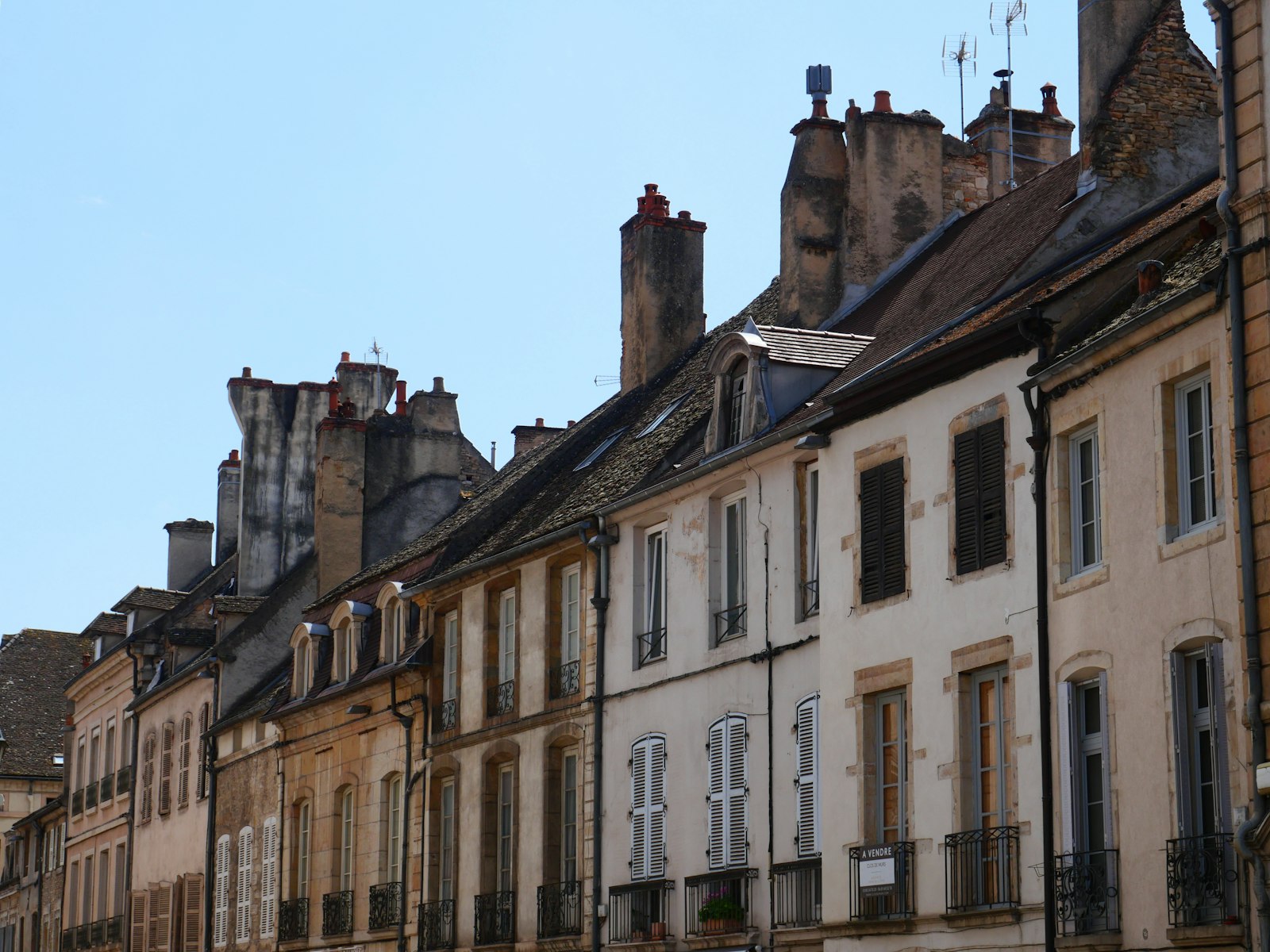
A region of vineyards, abbeys and Renaissance chateaux, with a UNESCO-listed wine landscape.
Burgundy is a historical region in eastern France with Dijon as its capital, covering the departments of Côte-d'Or, Saône-et-Loire, Yonne and Nièvre. Since 1 January 2016 it has been part of Bourgogne-Franche-Comté. Wikipedia names pinot noir reds and chardonnay whites, and says the Côte-d'Or produces some of the world's most expensive wines.
Wikipedia says UNESCO inscribed The Climats, terroirs of Burgundy in 2015: 13,219 ha with a 50,011 ha buffer zone and about 1,247 Climats, including the historic centre of Dijon and vineyards near Beaune.
Wikipedia names Dijon mustard, Charolais beef, Bresse chicken, coq au vin, beef bourguignon and Époisses cheese.
Burgundy's tourism site promotes autumn as the most beautiful of the seasons, though it does not compare the others. The Hospices de Beaune wine auction falls on the third Sunday in November. Our when to go page has monthly weather for Dijon.
On the third Sunday in November, and it has been held since 1859, according to Wikipedia.
A UNESCO-inscribed group of vineyard plots, listed in 2015 according to Wikipedia, covering 13,219 ha with a 50,011 ha buffer zone.
Wikipedia describes Clos de Vougeot, Bussy-Rabutin and Ancy-le-Franc, each with its own history above.
Facts on this site come from gov.uk, Atout France, regional tourism boards, UNESCO and the operators named, each listed at the foot of the page. Check dates, prices and entry rules with the provider before you book.