

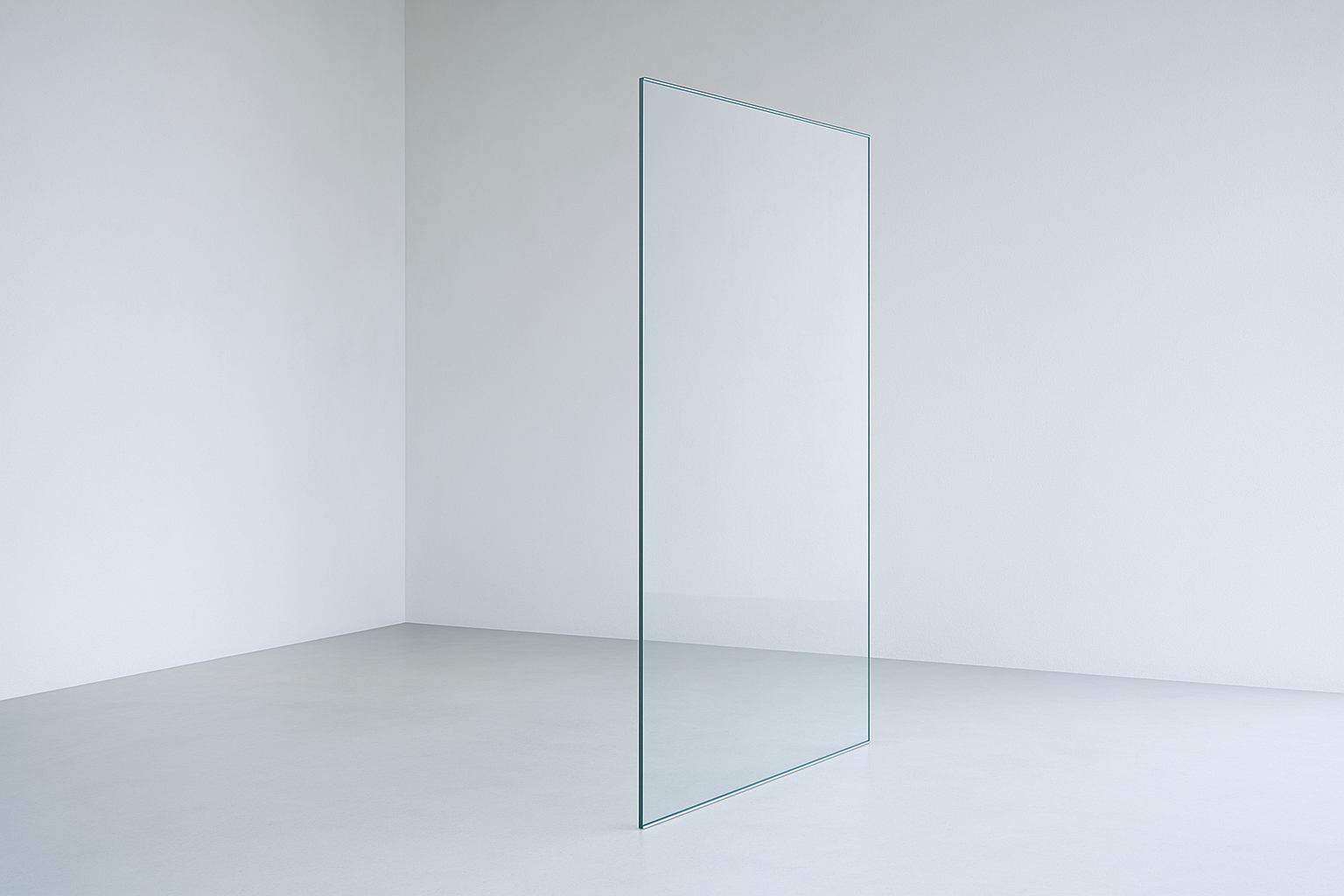
In modern home design, creating a sense of space is a common challenge, especially in smaller homes. Innovative design elements can transform cramped areas into open, airy environments. By using strategic design choices, you can make your home feel larger and more inviting.
As housing trends shift towards more compact living spaces, maximising the perceived space becomes crucial. Creating an expansive feel in smaller homes can be challenging. Innovative design elements offer solutions that can help transform these spaces, making them appear larger and more open. Incorporating such strategies not only improves the aesthetic appeal but also enhances the functional use of each area. For instance, using glass partitions can maintain an airy feel while still defining different areas within an open-plan layout.
Design strategies to enhance spacious interiors
The key to creating spacious interiors lies in the strategic placement and selection of design elements. By choosing the right materials and furnishings, you can significantly impact how space is perceived. Emphasising horizontal lines and low furniture can draw the eye across a room, enhancing its width and depth. This approach is particularly effective in open-plan living spaces, where continuity and flow are vital.
Transparency and light are essential factors in making interiors feel more expansive. Introducing large windows or using lighter colours on walls can amplify natural light, creating a brighter environment that feels open and welcoming. Mirrors also play a significant role in this strategy by reflecting light and giving the illusion of additional space. When you incorporate these elements thoughtfully, your home gains not just in appearance but also in comfort and usability.
Incorporating innovative design elements into your home
Reflective surfaces and open shelving are powerful tools for creating a sense of openness within any room. These elements allow for both functionality and aesthetic appeal, as they provide storage solutions without adding visual clutter. You might consider glass partitions in your design to maintain an airy feel while still defining different areas within an open-plan layout.
Minimalistic furniture that prioritises clean lines and simplicity contributes significantly to a spacious ambiance. In living rooms, opt for streamlined sofas that do not overwhelm the space; in kitchens, choose cabinetry that blends seamlessly with the walls. Bathrooms can benefit from sleek fixtures that do not interrupt visual flow, enhancing both functionality and style. Each of these choices plays into a broader strategy of maximising your living area effectively.
Balancing functionality with aesthetic appeal effectively
A successful interior design balances practicality with visual attractiveness. While achieving a beautiful look is important, ensuring each element serves a purpose is equally crucial. For example, multipurpose furniture can provide extra storage without sacrificing aesthetics, contributing to an organised and stylish environment.
Examples of innovative design enhancing both practical and visual aspects are abundant. Imagine integrating built-in shelving that doubles as display space; it not only organises but also personalises your home. Similarly, selecting convertible pieces like sofa beds or extendable dining tables supports versatile use of space without compromising on style. These choices exemplify how thoughtful design ensures that every square metre of your home works hard while looking great.
Benefits of innovative design elements
The advantages of using innovative design elements extend beyond mere aesthetics. By carefully selecting features that enhance spatial perception, you optimise your living environment for both beauty and utility. This strategic approach allows you to enjoy a harmonious balance between form and function.
When planning home renovations or new interior designs, consider these strategies to fully maximise your space’s potential. They offer practical solutions for small homes struggling with limited area issues, providing both immediate visual improvements and lasting functional benefits. As you integrate these ideas into your projects, you’ll likely find increased satisfaction with your surroundings.
